
REVIEW · HISTORICAL TOURS
The Limestone Heritage Park and Gardens (Entry Ticket)
Stone by stone, Malta tells its story outdoors. I love the combo of the geology route and the Punic tomb that traces life here back to 400 BC, and I also like that the whole experience is easy to do at your own rhythm. One catch: it’s not a huge, sprawling site, so plan to slow down rather than race through.
This is a family-run, outdoor attraction in the traditional village of Siggiewi, with an award-winning approach that mixes nature and archaeology in one place. You’ll get an audio-visual presentation plus an audio-guided walkthrough in 17 languages, then you can add on live stonework demonstrations, citrus gardens, and an animal farm.
Before you go, keep expectations practical: there’s no human guide included, and food and drinks cost extra. If you’re the kind of traveler who wants a long, guided tour with lots of explanation from a person, you might feel a bit more on your own than you expected.
In This Review
- Quick hits for your Limestone Heritage Park day
- Why Siggiewi’s Limestone Heritage Park feels different
- Audio-visual presentation and the 17-language walkthrough
- Museum hall, geology section, and the Punic tomb (400 BC)
- Live stonework demonstrations and the option to make your own limestone
- Citrus gardens, farm animals, and where snacks and drinks fit
- Price and timing: getting value from an $11 ticket
- Who should book this entry ticket, and who might skip it
- Should you book the Limestone Heritage Park and Gardens entry ticket?
- FAQ
- What is the price of the Limestone Heritage Park and Gardens entry ticket?
- Where is Limestone Heritage Park and Gardens located?
- How long is the experience?
- Is food and drinks included in the ticket price?
- What is included with the entry ticket?
- Is there a guide included?
- What are the opening days and hours?
Quick hits for your Limestone Heritage Park day

- 17-language audio means you can follow along without waiting for a group
- Punic tomb (400 BC) is the history anchor that makes the geology feel real
- Geology + museum hall help connect Malta’s limestone to daily life and building traditions
- Live stonework demos show how stone is shaped, not just displayed
- Citrus gardens and farm animals give you a calmer, more family-friendly finish
- A small extra in the review tip: DIY limestone crafting can be available for around 5 euros
Why Siggiewi’s Limestone Heritage Park feels different

The Limestone Heritage Park and Gardens is one of those Malta stops that doesn’t try to outshine the island itself. It places you in a setting where limestone is the star, then uses stories to explain how that rock shaped people, buildings, and what’s left behind.
I like that it’s family-run and genuinely suited to mixed groups. You can take it slow, and it doesn’t punish you for wandering. And because it’s outdoors with separate areas, you can spend time where you feel curious and skip what doesn’t click.
The other reason I’d put this on a short list is tone. It’s not a lecture. It’s more like a guided walk you listen to, with exhibits that visually reinforce the theme. If you’re traveling with kids, that self-paced style usually works better than a strict, timed tour.
A few more Malta options worth comparing
- Malta: Prehistoric Temples, Limestone Heritage & Blue Grotto
★ 4.2 · 412 reviews - Maltese Islands History Audio-Visual Show and La Sacra Infermeria Tour
★ 4.0 · 344 reviews - Valletta: Self-Guided Historical Walking Tour (Audio Guide)
★ 3.7 · 251 reviews
Audio-visual presentation and the 17-language walkthrough
Your ticket includes two main “guide” components: a multi-lingual audio-visual presentation and an audio-guided walkthrough. This matters because you’re not stuck listening to one language or standing in the wrong spot for a group leader.
The audio guide is available in Maltese, English, French, German, Italian, Dutch, Russian, Spanish, Greek, Portuguese, Swedish, Danish, Finnish, Norwegian, Polish, Chinese, and Japanese. That’s a lot of coverage, so you can usually match what you want without settling.
Here’s how I’d use it if you want the best experience. Start with the audio-visual presentation, then treat the walkthrough like your personal route. When you reach a geology or museum stop, pause the way you’d pause in a good independent museum. You’ll understand more if you let the visuals catch up to what you hear.
Also, remember you’re not getting a live guide. The included host or greeter is in English, and the rest is through audio. That’s still a strong setup, but it’s worth knowing so you’re not hunting for answers on the spot.
Museum hall, geology section, and the Punic tomb (400 BC)
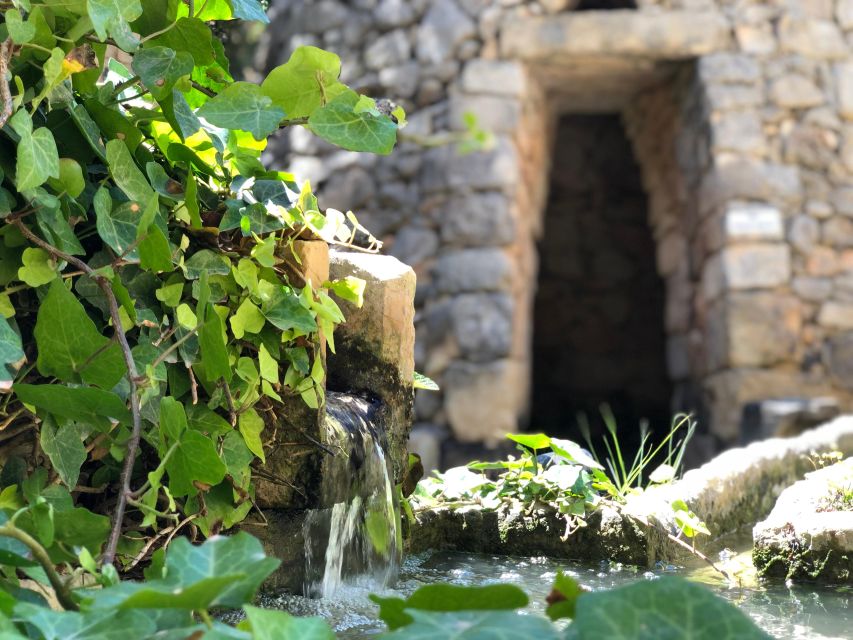
The itinerary centers on three themed areas: the museum hall, the geology section, and the Punic tomb. Put simply, this is where the park does its real work, because it ties material and history together.
In the museum hall, you’ll encounter the story side of the park. Expect exhibits that explain local heritage and show how Malta’s past connects to what you’re walking through. The value here is context. You don’t just see stone, you learn what stone meant to people.
Then comes the geology section, and this is the part I’d prioritize if you’re the type who reads building walls when you travel. Malta’s limestone isn’t just pretty scenery. It’s part of how the island was formed and how people built, shaped, and lived around that rock. Even without a human lecturer, the audio-guided format helps you connect the dots.
Finally, the Punic tomb, dating back to 400 BC, is your hard historical anchor. Tombs naturally make everything feel more urgent, and it also helps you shift from the general idea of Malta’s past to a specific time point. It’s a smaller stop than a big-ticket monument, but that can be a plus when you want meaning without crowds.
One practical tip: since the site is compact, don’t treat it like a checklist. At the tomb and geology stops, stop moving and listen. These are the spots where the audio is most worth your attention.
Live stonework demonstrations and the option to make your own limestone
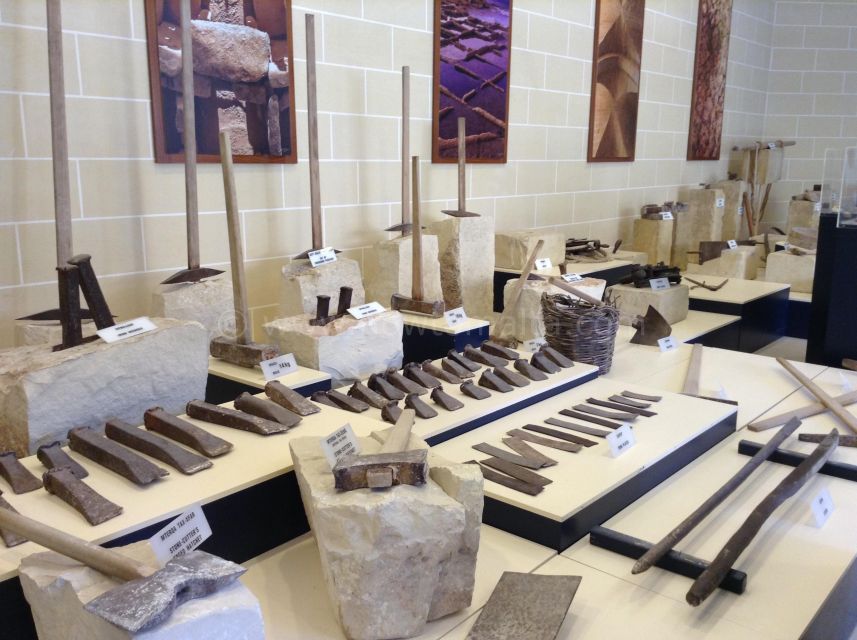
A standout feature is the live stonework demonstrations. That’s exactly the kind of activity that turns an exhibit into something you can picture in your head. You see stone handled, cut, and shaped in real time, so the geology story becomes practical rather than abstract.
This also helps kids and non-museum types. Even if you’re not chasing every detail, watching stonework gives you a visual “hook” you can return to later while listening to audio.
One extra perk from real visitor experience: there may be an option to create your own limestone, reported as about 5 euros, with time to make it as you like. If that’s available when you visit, it’s the kind of souvenir that doesn’t feel like a shop purchase. It also gives you a reason to slow down without losing time.
If stonework is your main interest, plan to stay long enough to catch demonstrations when they’re offered. The park is open limited hours, and you’ll enjoy it more if you align your visit with the demo window rather than hoping it fits.
A different way to spend the day nearby:
- Malta: Gozo & Comino Islands, Blue Lagoon & Seacaves Tour
★ 4.5 · 15,672 reviews - Sliema: Cruise to Comino, Crystal Lagoon, and Blue Lagoon
★ 4.5 · 6,855 reviews - Malta: Gozo, Comino & Blue Lagoon Cruise – swim & sightsee
★ 4.7 · 6,564 reviews - Comino: Blue Lagoon, Crystal Lagoon, and Seacaves Tour
★ 4.6 · 5,673 reviews
Citrus gardens, farm animals, and where snacks and drinks fit
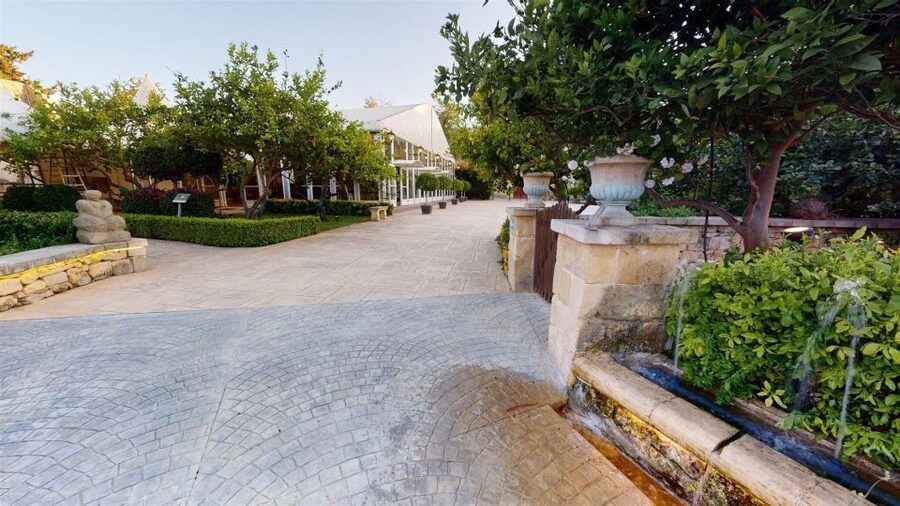
After the core exhibits, you have two relaxing add-ons: the citrus gardens and the animal farm. I like this structure because it changes the pace. You go from history and stone to something calmer, and you get a natural break from head-down listening.
The citrus gardens are a pleasant reset, especially in Malta’s warmer months. You get outdoor time without it turning into a long walk you resent. And if you’ve been doing temples or museums earlier in the day, this section can feel like exhale time.
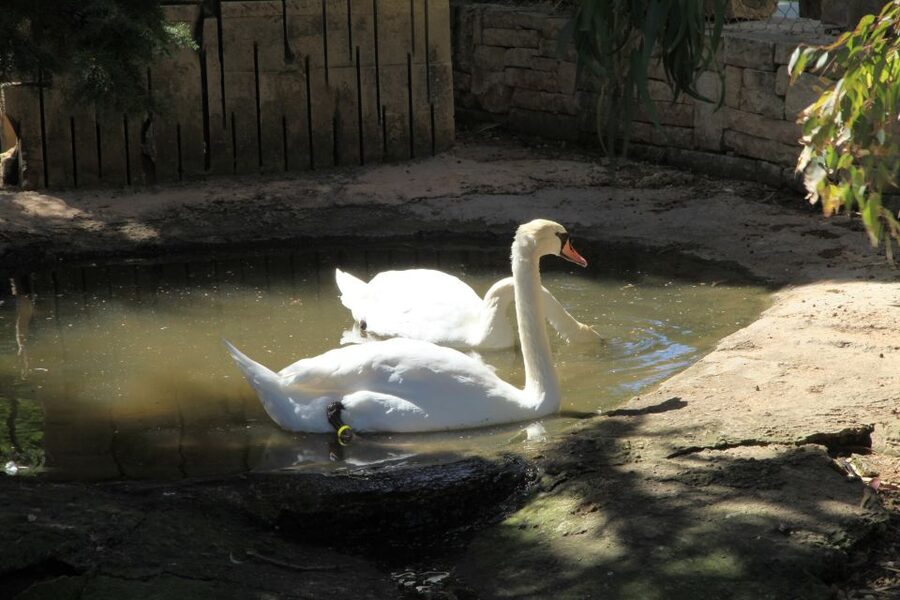
The farm animal park is also included, and this is a strong family touch. It’s not listed as a big wildlife experience, but it’s a useful way to keep energy levels steady for mixed-age groups.
Food and drinks aren’t included in your entry ticket, but the park offers tea or coffee and snacks like a Maltese platter and Maltese tuna ftira. If you want to budget, this is where the plan changes from “low-cost entry” to “entry plus lunch.” The shop also offers genuine Maltese goods and stone souvenirs, and there’s no pressure to buy.
Price and timing: getting value from an $11 ticket
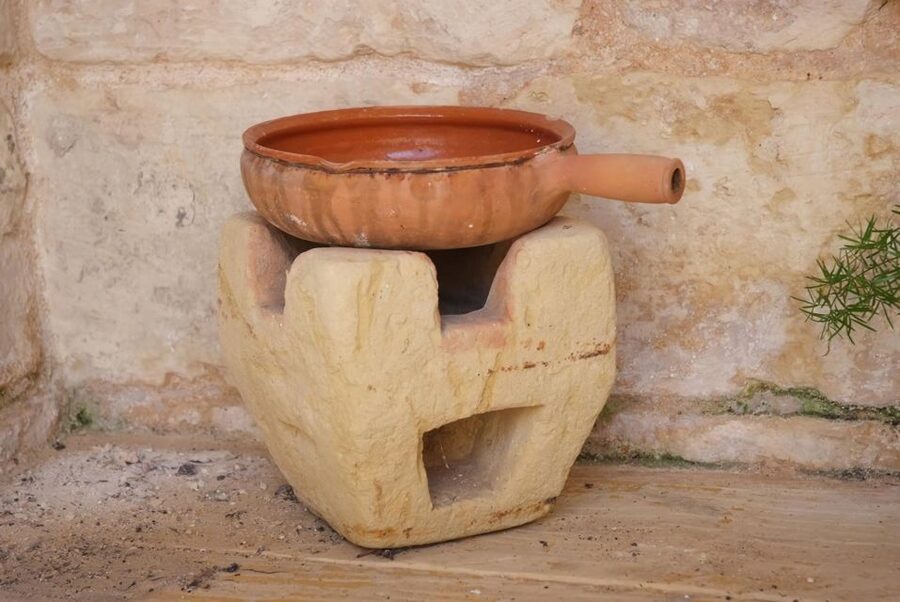
At about $11 per person, this ticket is strong value because it bundles several different types of experiences. You’re not only paying for entry to a single exhibit. You get the audio-visual presentation, the audio-guided walkthrough in 17 languages, museum hall access, the geology section, the Punic tomb, citrus gardens access, and the farm animal park. On top of that, live stonework demonstrations are part of the experience.
What could affect value for you is your travel style. If you like self-paced places with multiple small zones, you’ll likely feel like you got your money’s worth. If you prefer only one or two major stops and hate audio-based narration, the value might feel less direct.
Timing matters too, because opening hours are limited. The park runs Monday to Friday from 9:00 AM to 4:00 PM, and Saturday from 9:00 AM to 12:00 PM. Sundays and public holidays are closed, and the last entry is 30 minutes before closing. Plan your day so you arrive with breathing room. You’ll enjoy the tomb and demos more if you’re not rushing at the end.
Also, your ticket allows a one-time entry only. You can use it on the day you booked at any hour within opening hours, but you cannot exit and re-enter later. So if you think you might step out for lunch nearby, decide first, then commit.
Who should book this entry ticket, and who might skip it

This is a great match for families, because the park is structured like a day of varied stops. History lovers will enjoy the Punic tomb and museum hall, and geology fans get a dedicated section focused on limestone and how it connects to Malta. If you want an experience that doesn’t require you to hunt down a specialist guide, the audio approach is built for that.
It’s also a good choice if you’re traveling with people who have different interests. One person can focus on stonework, another on the tomb, and someone else can drift toward the citrus gardens and animal farm without the day falling apart.
I’d consider skipping or pairing with a different plan if you want a big guided walking tour with lots of live interpretation. Since food, drinks, and a human guide are not included, your experience depends heavily on your comfort with audio and self-navigation.
Should you book the Limestone Heritage Park and Gardens entry ticket?

If you want a low-stress, meaningful day in Malta that mixes stone, history, and a calmer finish, I’d book it. The audio-visual and 17-language walkthrough make it friendly for many visitors, and the Punic tomb plus live stonework demonstrations give the ticket more than just scenic sightseeing.
Book it especially if you like compact places where you can linger, listen, and come away with a clearer sense of why limestone matters here. It’s also worth it for families, because the citrus gardens and farm animal park give you an easy, enjoyable ending.
If you’re short on time or already overloaded with major sites, fit it into a half-day frame and aim for the core exhibits first. Otherwise, you might feel it’s smaller than you hoped.
FAQ
What is the price of the Limestone Heritage Park and Gardens entry ticket?
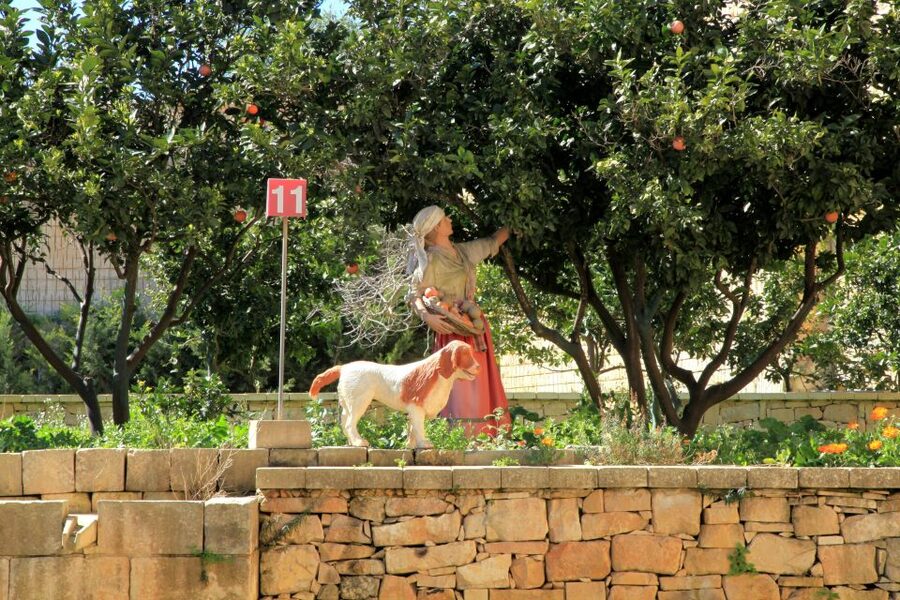
The entry ticket is listed at $11 per person.
Where is Limestone Heritage Park and Gardens located?
It’s located in the traditional Maltese village of Siggiewi, Malta.
How long is the experience?
The ticket is valid for 1 day, with starting times based on availability.
Is food and drinks included in the ticket price?
No. Food and drinks are not included. Tea, coffee, and items like a Maltese platter and Maltese tuna ftira are available on site, but you pay separately.
What is included with the entry ticket?
Included are the audio-visual presentation, the audio-guided walkthrough, live stonework demonstrations, access to the museum hall, the geology section, the Punic tomb (dating back to 400 BC), the citrus garden, and the farm animal park.
Is there a guide included?
No. A guide is not included, and the experience uses audio presentation and an audio-guided walkthrough.
What are the opening days and hours?
The park is open Monday to Friday from 9:00 AM to 4:00 PM and on Saturday from 9:00 AM to 12:00 PM. It is closed on Sundays and public holidays, and the last entry is 30 minutes before closing.
Just added to our Malta list
- Witchcraft and Blood in Birgu – Walking Tour★ 4.7 · 3 reviews
- World War II Malta Full-Day Walking Tour★ 4.3 · 18 reviews
- Vintage Bus Tour: Aviation Museum & Mosta Church inc Platter★ 4.3 · 20 reviews
- Gozo Full-Day Group Coach Tour including Lunch and Transfers★ 4.3 · 7 reviews
- Gozo: Wine Tasting and Paired Dinner Experience★ 4.9 · 43 reviews
- Wakeboarding Adventure in Malta: Learn to Ride★ 5.0 · 4 reviews
- Visit Tarxien Temples, Kalanka Bay, Blue Grotto, Marsaxlokk★ 3.9 · 13 reviews
- Valletta: Street Food Walking Tour with a Local★ 4.9 · 15 reviews
Historical Tours, compared.

Prehistoric Temples, Limestone Heritage & Blue Grotto
Read our review →
Maltese Islands History Audio-Visual Show and La Sacra Infermeria Tour
Read our review →
Self-Guided Historical Walking Tour (Audio Guide)
Read our review →
Wonderful Valletta, gastronomy, art, and history in the Mediterranean
Read our review →


Private Historical City Walking Tour with Rabat Town
Read our review →
Pre-Historic Temples (Pickup, Tickets & Drop-off Inc)
Read our review →Browse the lists this tour appears in