
REVIEW · WALKING TOURS
World War II Malta Full-Day Walking Tour
Malta turns WWII into something you can actually walk through. I especially love the way the tour pairs Air raid shelter entry with Fort St Elmo visits, so the danger stops being abstract and starts feeling real.
I also like that you get inside the story of Malta’s air defense through the underground Lascaris War Rooms, not just a quick stop for photos. One possible drawback to plan for: the day is full, and you may feel you need more time if you want to linger deeply at every site.
In This Review
- Key highlights you will care about
- Why this WWII walking tour works (even if you are not a history nerd)
- Getting set up: pickup, shoes, and a realistic pace
- Vittoriosa and Valletta: the harbor story behind the Siege of Malta
- Air Raid Shelters and Fort St Elmo: where you feel the wartime pressure
- RAF remembrance and RAF Monument: honoring the air war properly
- Valletta’s bombed landmarks: Opera House site, Strada Stretta, and St George’s Square
- Republic Square and Victory Kitchens: the home-front side of the siege
- Victoria Gate and Operation Pedestal: the Santa Marija Memorial
- Upper Barracca Garden and the Siege Bell: war at eye level over the harbor
- Lascaris War Rooms: underground decisions and major Mediterranean commands
- Malta War Museum ticket: what you should expect from the museum time
- Price and logistics: is $71 a fair value for this kind of day?
- Who should book, and who might be better off going on your own
- Should you book this World War II Malta Full-Day Walking Tour?
- FAQ
- How long is the World War II Malta Full-Day Walking Tour?
- What areas does the tour cover?
- Are tickets to major sites included?
- Is lunch included in the price?
- What is included in the tour besides entrance tickets?
- What should I bring?
- What language is the tour guide?
- Is the tour suitable for people with mobility impairments?
- How does the pickup timing work?
Key highlights you will care about
- Air Raid Shelters and Fort St Elmo are built into the day, not treated as optional add-ons
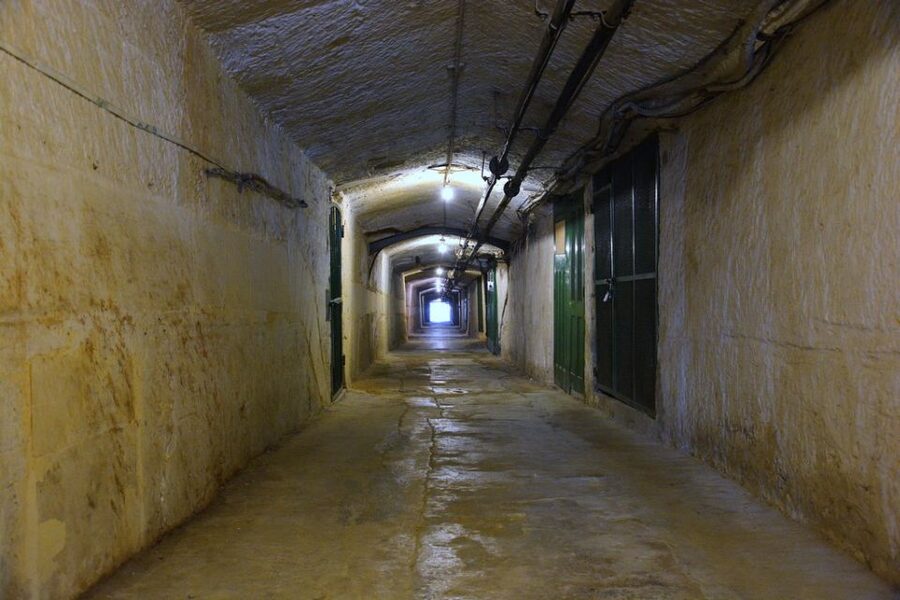
- Lascaris War Rooms takes you underground to the place where Malta’s defense and major Mediterranean decisions were directed
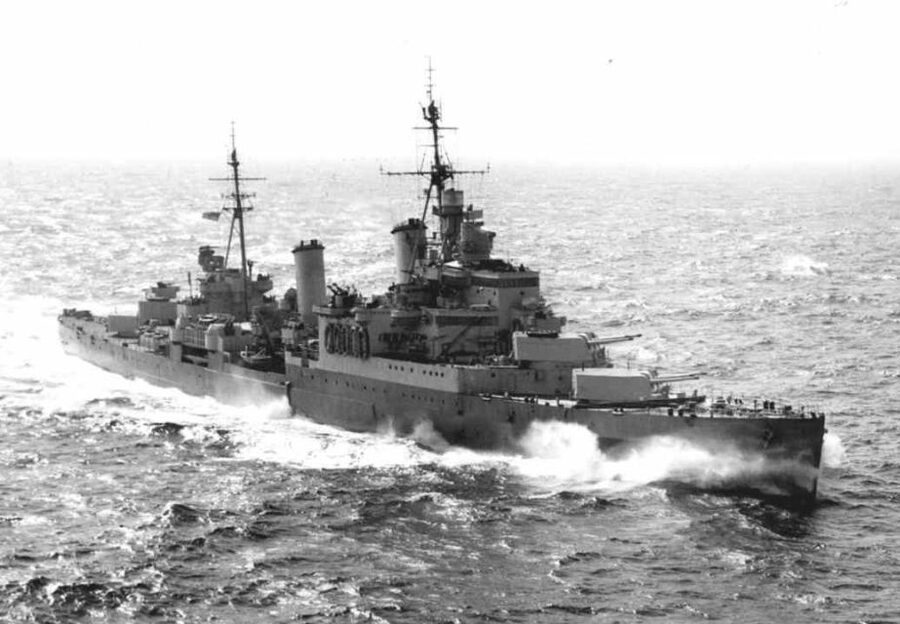
- War memorial stops include RAF and naval remembrance points, plus the Santa Marija anchor-shaped memorial for Operation Pedestal
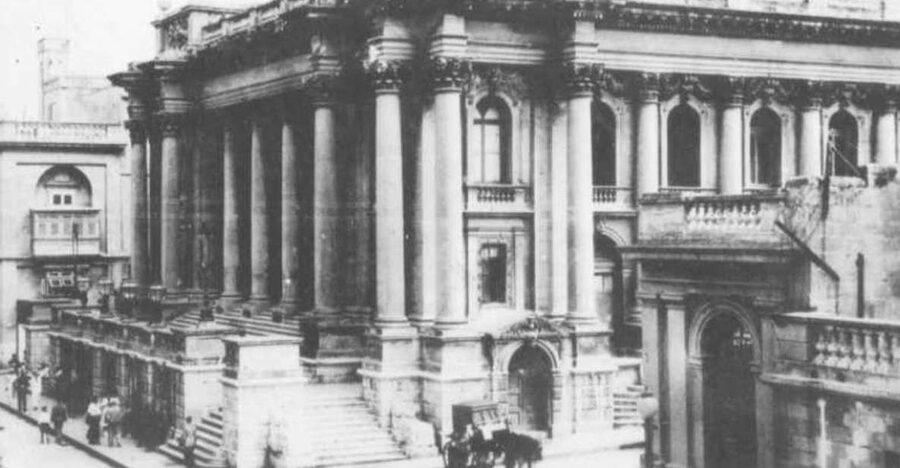
- Valletta’s key bombing sites show up along the route, including the former Royal Opera House area (Pjazza Teatru Irjal)
- Siege Bell viewpoints give you a sense of scale over the Great Harbor of Valletta
- Upper Barracca Garden panoramas connect the war story to the city’s dramatic viewpoints
Why this WWII walking tour works (even if you are not a history nerd)
This tour is built for people who want a clear, guided picture of Malta during World War II, without needing to study for weeks first. You get a route that moves across Vittoriosa and Valletta, so the war feels tied to real places, real streets, and real harbor geography.
What I like is the way the guide frames Malta’s importance. The island mattered because it sat in the path between Europe and North Africa, and British air and sea forces could hit Axis supply routes. When North Africa turned into a new front in 1940-1941, Malta’s value only grew, and the tour helps you understand why.
The day also takes you beyond the big-name locations. You visit memorials, former defense spaces, and specific bombed areas, which makes the story feel grounded instead of general.
More Walking Tours in Valletta
- The Original Valletta Walking Tour
★ 5.0 · 2,719 reviews - Valletta: 3-Hour Walking Tour
★ 4.7 · 2,219 reviews - Valletta: Guided City Walking Tour
★ 4.8 · 1,256 reviews
Getting set up: pickup, shoes, and a realistic pace
You spend about 7 hours walking, and the route is not designed for people with mobility impairments. If you have knee or foot issues, think hard about your comfort level before you book.
You get pickup and drop-off from your hotel or the nearest point, which is a big deal in Malta where getting from place to place on your own can be time-consuming. Bring comfortable shoes and wear something you can walk in for hours, because you will be on foot for a good chunk of the day.
A practical note from real-world experience: in some walking tours, audio can make or break the experience. If your group is using a loudspeaker and you are near the back, you might still struggle to hear some quieter explanations, so staying near the guide helps.
Vittoriosa and Valletta: the harbor story behind the Siege of Malta
The tour’s structure makes sense. It starts with the feel of the waterfront world around the Grand Harbour, then moves into Valletta’s frontline streets. Even if you do not read every sign, you start noticing the pattern: where ships and supply routes mattered, Malta became a target.
As you walk, the guide connects events from 1940 to 1942 with why the fighting was so relentless. Malta faced attacks not only from air power, but also through the naval pressure tied to shipping lanes and reinforcements.
If you like a guided route that helps you see how geography drives history, this is one of the stronger choices in Malta.
Air Raid Shelters and Fort St Elmo: where you feel the wartime pressure
The day’s most tangible stops are the Air Raid Shelters and Fort St Elmo. You do not just look at ruins from the outside. You enter spaces built for survival, and that changes how you understand the siege.
At the shelters, the experience tends to make the war feel immediate. Instead of hearing facts about bombings, you see the physical reality of how people tried to protect themselves during raids.
Fort St Elmo adds a different angle. It is a place tied to military defense and strategy, and it gives context to why Malta was fought over so intensely. The combination is smart: shelters explain civilian experience, and the fort explains the strategic pressure.
If you have any interest in how people lived under bombardment, these are the stops you will probably remember most.
A few more Valletta options worth comparing
- Valletta: Street Food and Culture Walking Tour
★ 4.8 · 1,251 reviews - Valletta: City Walking Tour in a Small Group
★ 4.9 · 957 reviews - Valletta: Maltese Food and Drink Guided Walking Tour
★ 4.7 · 601 reviews - Valletta City Walking Tour
★ 5.0 · 395 reviews
RAF remembrance and RAF Monument: honoring the air war properly
One of the most meaningful parts of the route is the RAF commemoration. You see the commemorative RAF Monument for the 2,298 Commonwealth aircrew who lost their lives in World War II air battles.
This is not just a name wall. The guide’s storytelling helps you connect the monument to the air war context over Malta, where aircraft and supply convoys were constantly contested. It is a good reminder that this was not only a ground siege, but also an extended air-and-sea fight.
If you prefer tours that treat memorials respectfully and explain why they matter, this one fits.
Valletta’s bombed landmarks: Opera House site, Strada Stretta, and St George’s Square
Valletta is where the route feels most like a guided walk through wartime scars. You pass through the city center and hit several sites where the WWII story is tied to specific places.
A standout stop is Porta Reale, the curtain wall at the center of the Valletta Land Front. Even if you are not a fortification expert, it helps you understand how Valletta was designed to resist attack.
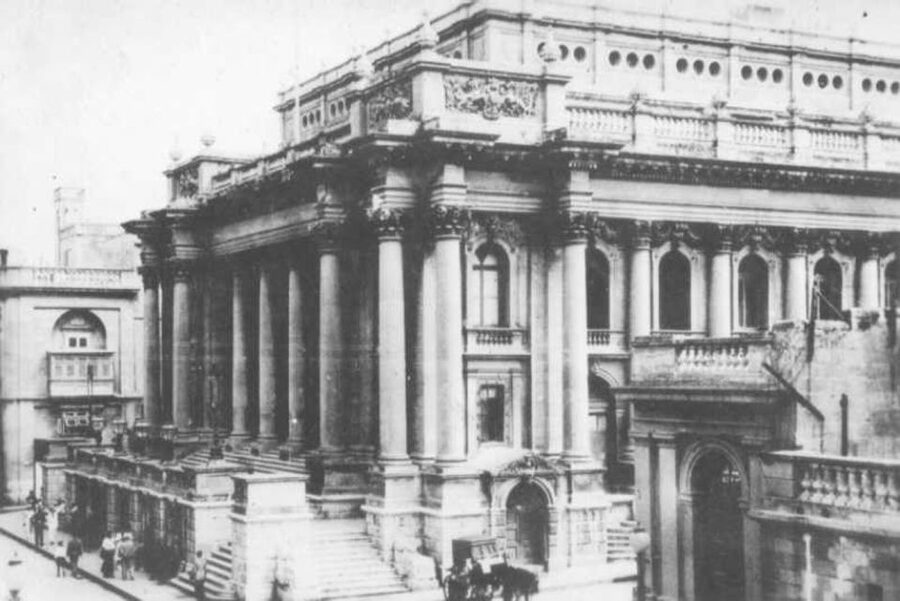
The tour then heads to Pjazza Teatru Irjal, the site of the former Royal Opera House, which was extensively bombed in 1942. That detail matters. It shows how the war reached cultural life, not only military zones.
You also walk along Strada Stretta, a street that helps you get your bearings while the guide keeps pulling you back to the WWII timeline. Next comes Misrah San Gorg (St. George’s Square), a key stop because the George Cross was awarded to the island in 1942.
Republic Square and Victory Kitchens: the home-front side of the siege
The route includes the Queen Victoria Statue in Republic Square, then continues to the Victory Kitchens. These kitchens were built to reduce food waste during shortages, which is an under-discussed part of wartime life.
This stop is valuable because it balances the military story. You get reminded that siege conditions affected daily routines, rationing, and how communities tried to make limited supplies stretch.
It is easy for WWII tours to focus only on battles and bunkers. The Victory Kitchens stop gives you a clearer picture of what people faced when the fighting stayed close to home.
Victoria Gate and Operation Pedestal: the Santa Marija Memorial
You go to Victoria Gate, built on the site of the older Del Monte Gate. This is another “the city has layers” moment, where the geography of defense continues to show up in modern Valletta.
From there, you pay your respects at the Santa Marija Memorial, an anchor-shaped memorial dedicated to fallen sailors of Operation Pedestal. This is one of those details that makes the tour feel specific to Malta rather than generic WWII walking.
If you like history that links directly to the sea battle context of Malta, this part delivers.
Upper Barracca Garden and the Siege Bell: war at eye level over the harbor
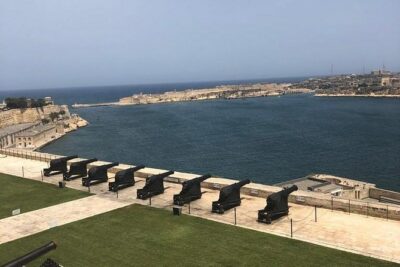
After all the underground and frontline stops, the tour shifts into viewpoint mode. You reach Upper Barracca Garden, where you can see statues including Winston Churchill and other prominent men.
Then comes the Siege Bell Memorial, overlooking the Great Harbor of Valletta. It was built in 1992 to honor the 7,000 people who lost their lives during the Siege of Malta.
This pairing works because the viewpoints let you check the “why” behind everything you just learned. Malta’s harbor mattered because ships had to move through it, and the city’s positioning shaped how attacks played out.
This is where the day’s story often clicks. You stop thinking only about events in time and start thinking about position in space.
Lascaris War Rooms: underground decisions and major Mediterranean commands
The tour includes entry into the Lascaris War Rooms, an underground complex where Malta’s air defense was coordinated. You also learn about Mediterranean sea battles connected to the defense operations.
What makes this stop compelling is the list of decision-makers tied to it. The war rooms were where General Eisenhower, along with Admiral Cunningham, Field Marshal Montgomery, and Air Marshal Tedder, directed the Invasion of Sicily in 1943.
Even if you are not an expert on the command chain, seeing that these meetings happened underground in Malta helps you understand why the island was not just a front line, it was also a command hub for the wider region.
If you want a WWII day that goes beyond surface-level attractions, this is one of the anchors of the tour.
Malta War Museum ticket: what you should expect from the museum time
Your ticket includes the Malta War Museum. In practice, museum time can feel different depending on how the group schedule plays out.
Some days, the guide may handle the most important context, and then you might shift into self-guided mode for the museum itself. If you enjoy reading on your own, that can be a plus. If you want a guided explanation for every gallery, plan for the fact that you may not get that depth at each point.
This is still a solid inclusion because you are not paying extra for admission, and the museum is a natural follow-up after the Lascaris War Rooms.
Price and logistics: is $71 a fair value for this kind of day?
At $71 per person for a 7-hour full-day walking tour, the value comes from what is included, not just the guide.
You get:
- Licensed local guide
- Pickup and drop-off
- Air raid shelter ticket
- Fort St Elmo entry
- Malta War Museum ticket
Lunch is not included, so you should plan food on your own. Still, when you compare guided access plus multiple paid entries, the price can feel reasonable, especially if you would otherwise need to arrange transport and tickets.
If you are traveling solo or you want a structured route without figuring things out yourself, this inclusion-heavy setup helps.
Who should book, and who might be better off going on your own
This tour is a good fit if you want a guided route that connects WWII events to exact places in Vittoriosa and Valletta. It also works well if you prefer not to “figure it out” alone across multiple sites, especially when the story spans military, naval, and civilian hardship.
It may be less ideal if you want long, slow time in each location. Some people find that the schedule moves you along quickly, with limited time at certain stops. If your ideal day includes deep museum reading without interruptions, you might feel like you missed more.
Also, this is not designed for people with mobility impairments, and you will be walking for hours.
Should you book this World War II Malta Full-Day Walking Tour?
I would book it if you like WWII history that is tied to real sites, and if you want included access to air shelters plus Fort St Elmo plus Lascaris War Rooms in one day. The route also balances military events with home-front details like Victory Kitchens, and it includes memorial stops that give the story weight.
I would skip it if you hate tight pacing or you need lots of guided time inside museums. In that case, it might be better to spend more time at fewer places and go slower.
FAQ
How long is the World War II Malta Full-Day Walking Tour?
The tour lasts 7 hours.
What areas does the tour cover?
You visit Vittoriosa and Valletta.
Are tickets to major sites included?
Yes. The tour includes tickets for the Air Raid Shelters and the Malta War Museum, and it also includes entrance to Fort St Elmo.
Is lunch included in the price?
No. Lunch is not included.
What is included in the tour besides entrance tickets?
You get pickup and drop-off from your hotel or the nearest point, a licensed local guide, and the site tickets mentioned above.
What should I bring?
Wear comfortable shoes.
What language is the tour guide?
The live tour guide is English.
Is the tour suitable for people with mobility impairments?
No. It is not suitable for people with mobility impairments.
How does the pickup timing work?
Your pick-up time is confirmed by the local supplier 1 day before the tour.
Just added to our Valletta list
- Vintage Bus Tour: Aviation Museum & Mosta Church inc Platter★ 4.3 · 20 reviews
- Valletta: Street Food Walking Tour with a Local★ 4.9 · 15 reviews
- Afternoon Harbours Cruise with Guide and Roundtrip Transfers★ 3.4 · 11 reviews
- Valletta: Private Maltese Cuisine Walking Tour★ 4.8 · 8 reviews
- Valletta – Private Photo Session (English/Polish)★ 5.0 · 8 reviews
- Valletta : Highlights & Hidden Gems Walking Tour★ 3.1 · 5 reviews
- Valletta & Mdina: Private Tour★ 4.5 · 16 reviews
- Valletta: Express Walk with a Local in 60 minutes★ 4.9 · 4 reviews
Walking Tours, compared.



Guided Walking Tour with Optional Cathedral Tour
Read our review →
The Valletta Street Food and Culture Walking Tour
Read our review →Browse the lists this tour appears in